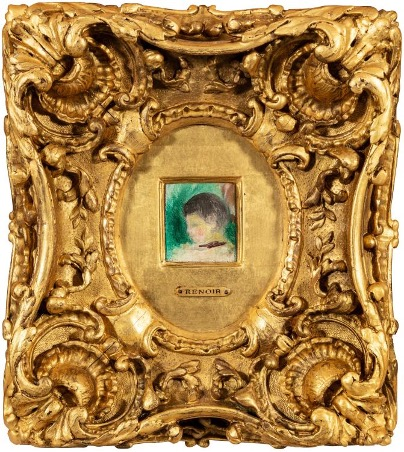
Many years ago, when I was just starting out in the art business, a Mexican art dealer visited the Manhattan gallery where I worked. She had flown in from Mexico the day before, and she was looking for works of art by well-known artists that were small enough to fit into a briefcase. Mexico was about to institute a revaluation of its currency, and the dealer’s panicked, wealthy clients were looking for places to sock away money, including works of art that could be readily transported out of the country, on the person if need be. Such objects are called “flight assets.”
Evidently, we didn’t have any artworks that filled the bill, as I don’t remember selling her anything, but her visit came to memory this week amid the current turmoil taking place in the Mideast. As I write this, everything about the war is changing by the hour, but the bottom line is that the world economy suddenly looks very uncertain. With all that oil locked up in the ground, sitting in unmoving ships, or burning in bombed refineries, people may be wondering if it’s time to convert some of their petrodollars into oils that can be taken off a wall and put in a car trunk before fleeing. It’s the same impulse that motivated the Mexican dealer’s clients all those years ago.
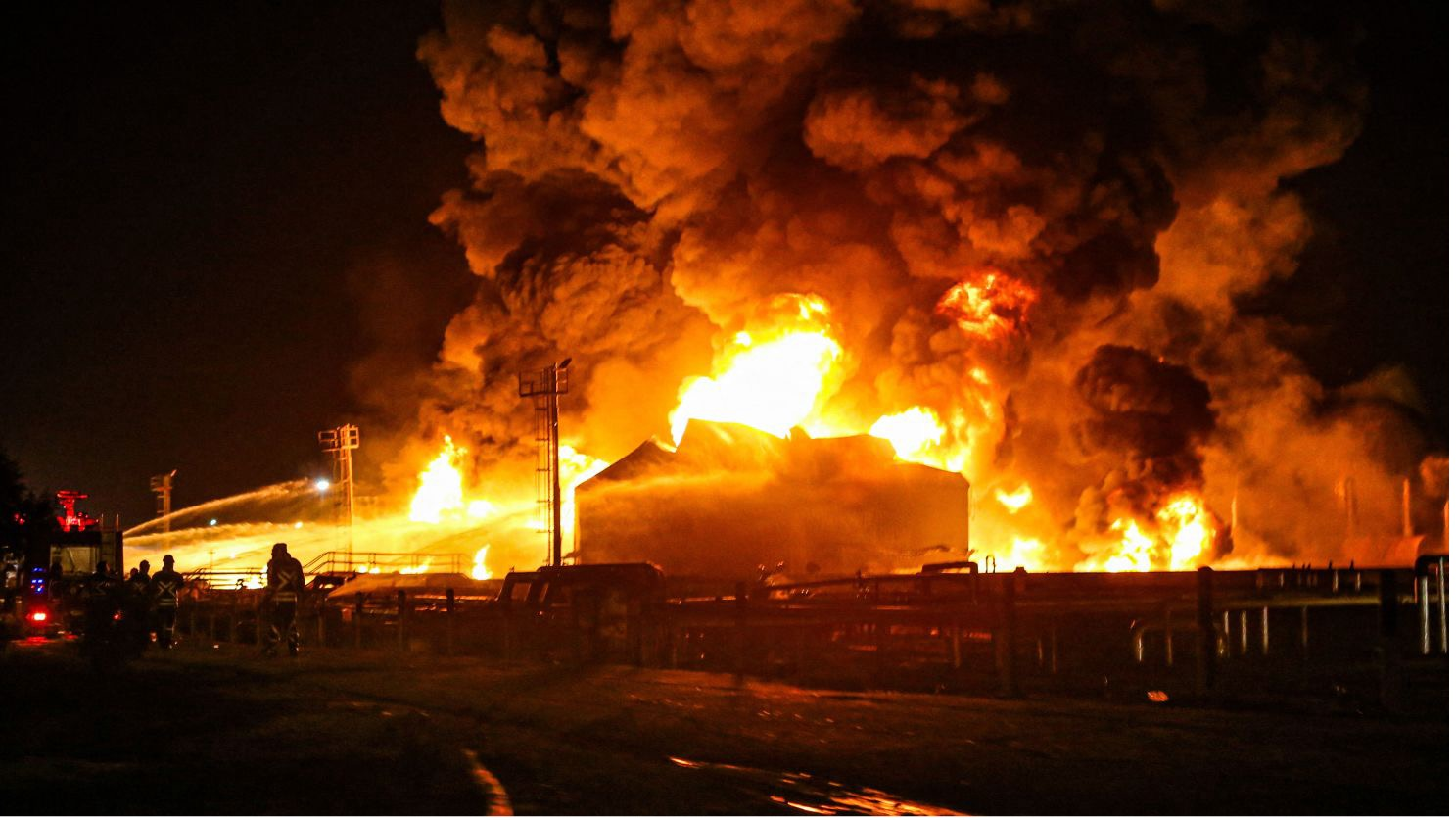
Photo courtesy of CNN
Portable wealth always has its allure in times of uncertainty, from gemstones sewn into the linings of coats to cash hidden in false-bottomed suitcases. Artworks are a different matter. People fleeing oppression, such as European Jews fleeing the Nazis, have had to leave large artworks behind, knowing that their possessions were going to undergo what lawyers today refer to as “insidious dispossession.” Heirs of Jewish refugees are still trying to recover works stolen in the 1940s. Even when the refugees were able to get their art treasures out of Germany, challenges to ownership are being made today in the United States by descendants on the grounds that their grandparents, desperate for immediate cash after arriving in this country, had to sell their artworks for fire-sale prices. They had no choice; therefore, it was a sale made under duress, or so the current argument goes. The courts have shown some willingness to consider such claims.
On the other hand, if you want immediate cash, you’re usually going to have to sell at a low figure, for art is not a fungible asset. It has no inherent value. A work of art is worth what someone is willing to pay for it, and finding someone who values your art as much as you do can take a long time. That’s why I always tell collectors to buy what they love. If the market for a particular artist’s work goes up, that’s gravy, but usually the reward of art ownership is going to be aesthetic pleasure, not financial appreciation. Betting on art to save you in a financial emergency is a bet against long odds.
It’s sad but understandable to be thinking about the monetary value of art in a time of death and destruction, but such considerations have been the case for hundreds if not thousands of years. I sincerely hope that art in the Middle East will soon get back to its rightful place as simply an enrichment to the lives of the people who enjoy it.